
English Dictation Practice: Listen and Write
Hear a line, type what you hear, see every word you missed. Dictation for school kids, teens and adults, beginner to advanced.
Not sure what to listen to?
Take the free listening level test (about 20 minutes). We will show you the scenes at your level.
- 318 scenes
- CEFR Pre-A1–C2
- Free with transcripts & answers


Early Kids 4–6
0 scenesSchool Kids 7–11
86 scenes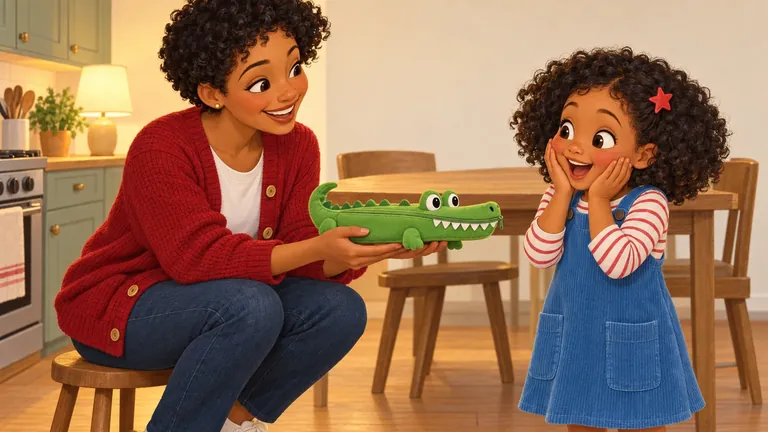
The crocodile pencil case
Hallie starts first grade soon. Her Aunt Jo has a present for her.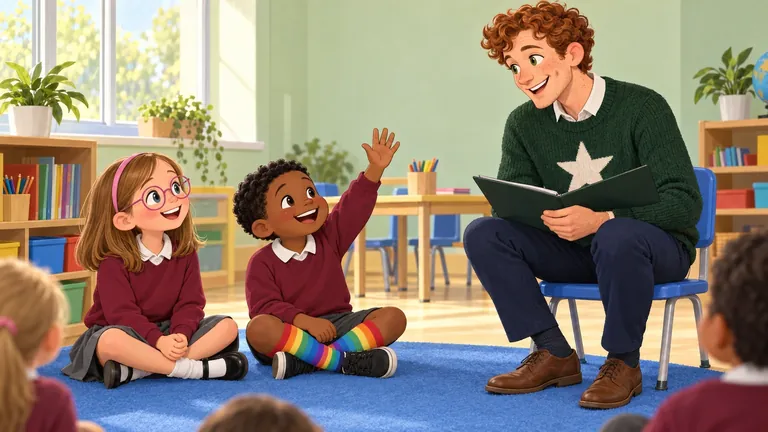
Good morning, Mr Penn!
It's the morning register in Mr Penn's Year 2 class. Edie and Sid are on the carpet.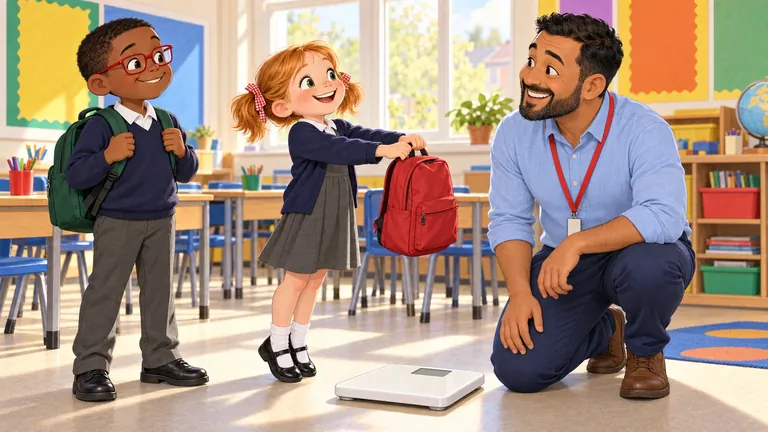
Bag check day
It's bag check day in Mr Shaw's class. Kitty and Ronnie put their school bags on the scales.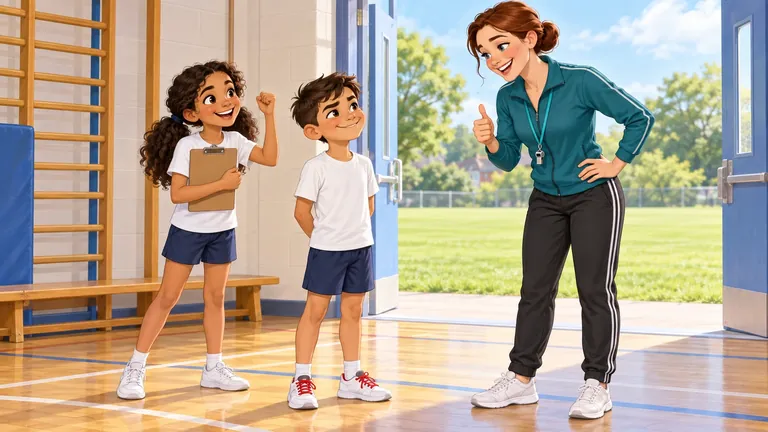
Match day in PE
It's PE with Miss Lang. First, a kit check. Then a football match. Lyla tells us about the match.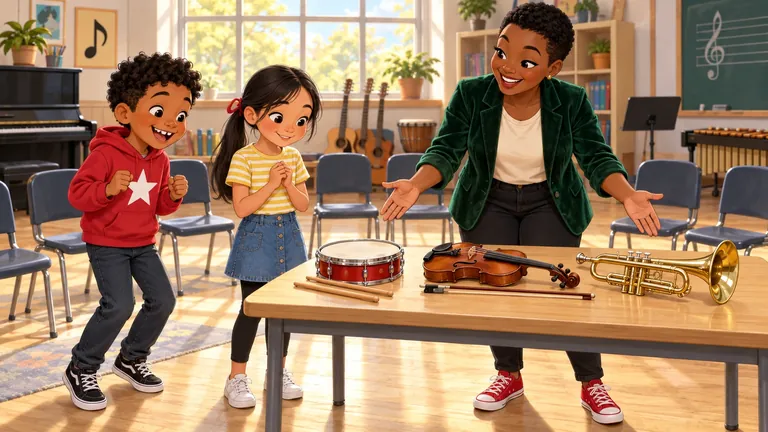
A visitor in the music room
Ms. Harlow plays music. Today she visits the music room at Piper and Joey's school.
Bug hunt in the woods
Lacey and her little brother Tucker are at nature club. Today Jen, the club leader, takes them on a bug hunt in the woods.
Ready to ride
It's bike day at school. Ms. Lowry helps Skye and Jaden get ready to ride.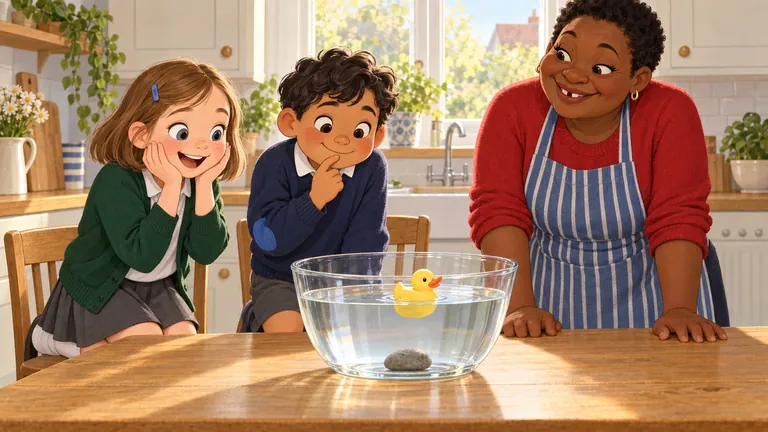
Sink or float?
After school, Clemmie and Bertie do a water test with Pippa. Does it sink (go down) or float (stay on top)?
Teens 12–17
105 scenes
New in class
It's Holly's first morning at a new school.
A new backpack
Lauren has a new backpack. She shows it to her friend Cole before class.
At the sports centre
Finn and Amy visit a new sports centre in their town.
Locker day
It's locker day at school. Eva and Oscar get their new lockers.
Ads paying for your free English lessons. Prefer a quiet page? Go ad-free

Lunch with friends
It's lunch time at school. Tara, Lucas and Andy sit together in the cafeteria.
Pet photos
After school in the park, Leon, Anna and Kian show each other photos on their phones.
My first shift
Saturday morning. Kayla, 16, starts her first job at a bowling alley.
College open day
Saturday. Ruby, 16, and her aunt Cass visit a sixth-form college on its open day.
Adults 18+
127 scenes
Ready for the warehouse?
Rory works at a big warehouse in the UK. Every morning, Paula, the team leader, meets the team at the door.
Nice to meet you
A man goes to a running club in a park in the UK. It is his first time there.
Here's my number
Lisa and her son are new at a school in the US. At the school gate, she meets another parent.
Look what I bought!
Brenda shows her best friend Janet the clothes she bought. They are at Brenda's home in the UK.

Family photos
Brad and Gina work in the same office in the US. At lunch, Brad shows Gina some photos on his phone.
At the street market
Stacey does her shopping at a street market in her town in the UK. Terry has a fruit and vegetable stall.
On my way!
Monica is at a restaurant in the US. She is waiting for three friends. They send her voice messages.
A morning in housekeeping
Shelby starts work at a hotel in the US. She cleans the rooms. Stella is her supervisor.
Dictate your own sentences
Teachers and learners can also make a dictation from any text: paste your own sentences and the voice reads them aloud at three speeds, with word-by-word feedback.
Listen and type: how dictation practice works
Dictation is one of the fastest ways to find the gaps in your listening. When you have to write every word, you notice the small ones you usually miss: weak forms like "to" and "of", endings like -ed and -s, and words that run together in fast speech. These 318 scenes all have a dictation (Check) mode.
Open a scene and you go straight to Check mode. You hear one line, play it again as often as you need, type what you hear and press Check. The checker compares your line word for word and shows which words were right, missing or different. Capital letters and punctuation are not marked, and numbers can be typed as digits or words. If you choose Show answer, that line counts as wrong, so try once more first.
Beginners should start with short lines, names and numbers. At intermediate and advanced levels, listen for linking and reduced words, and write the whole sentence before you check. Afterwards, replay the scene in Learn mode with the transcript, or say the same lines out loud in English conversation practice.
Frequently asked questions
What is dictation practice?
You listen to a sentence and write down exactly what you hear. It trains you to catch every word, including the short, unstressed ones that are easy to miss.
Does dictation really improve listening?
Yes. Writing every word forces you to notice sounds you would skip when you only listen for the general meaning, and the word-by-word check shows exactly what to practise.
How do I do a dictation exercise here?
Open a scene, listen to the first line, replay it if you need to, type what you hear and press Check. Then go to the next line. At the end you see how many lines you got right.
How does the checker treat punctuation and capital letters?
They are ignored: "Hello, Sam!" and "hello sam" are both right. Apostrophes do not matter either, and numbers are accepted as digits or words ("25" or "twenty-five"). Every word must be there and spelt correctly for the line to count.
Is there dictation for children?
Yes, for children aged 7–11 in the School Kids scenes. Children aged 4–6 use picture tasks instead, with no typing.