
Ages 6–8 · W1–W3
Writing Practice for Grade 1–2
First and second graders build one short, correct sentence at a time.
Not sure where to start? Try the fun writing check Find my level →
- 63 lessons
- W1–W3 levels
- Free every lesson
Closest available to your level.
- Step 1
- Step 2
- Step 3
- Step 4
- Step 5

That’s your whole story — now put it together in one paragraph.
Loading your lesson…
Playing as guest — sign in to earn XP and save your progress.
About these lessons
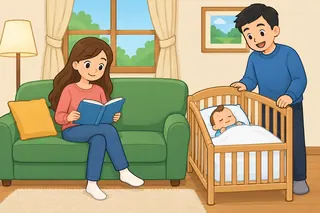
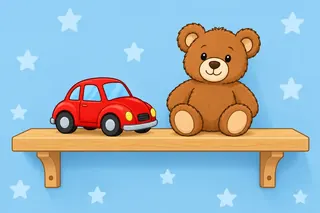
Children in grade 1 and grade 2 are learning that a sentence is a complete thought: it starts with a capital letter, ends with a full stop and puts the words in a sensible order. These lessons practise exactly that, using bright picture stories about a cat on a chair, a red ball in the park or a rabbit in the garden.
Each lesson has five tiny steps. First your child puts given words in order, then fixes a capital letter or a full stop, then chooses between two words, and finally writes a short sentence about the picture. The helper points to one thing at a time, so a six-year-old is never faced with a page of red marks.
Sit beside your child for the first few lessons: talk about the picture, say the sentence aloud together, then let them type. Two or three lessons a week are plenty at this age. When a lesson feels easy, the next level adds plural words, a and an, and joining two ideas with and or but.
What you practise
- W1 · pre-A1Capital letters · full stops · S-V-O word order
- W2 · pre-A13–5 word sentences · plural -s · a/an
- W3 · A1and / but · describing adjectives
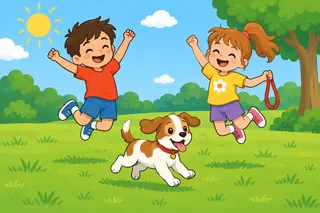
Lessons include “The Dog Runs”, “My Big Bed”, “The Cat Sleeps” and 60 more.
All Grade 1–2 lessons
W1 · pre-A1 17 lessons




W2 · pre-A1 23 lessons
- Two CatsW2

- An Apple for MeW2

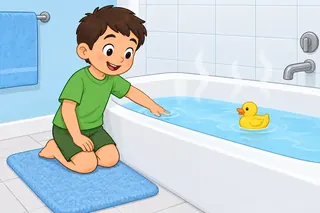
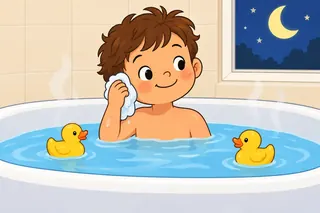
- Bath TimeW2
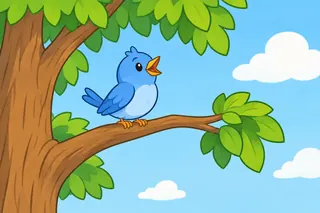
- Birds in the TreeW2

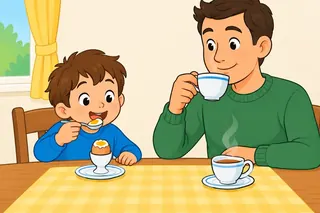
- An Egg and a CupW2
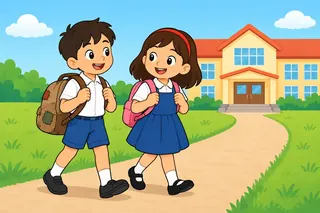
- We Go to SchoolW2
- In the GardenW2

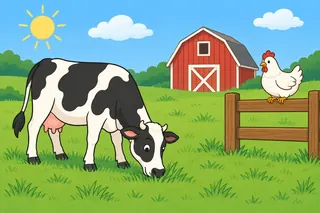
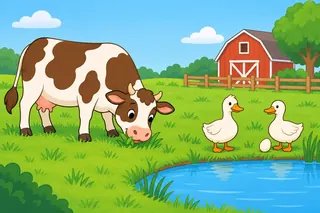
- The FarmW2
- My Toy BoxW2

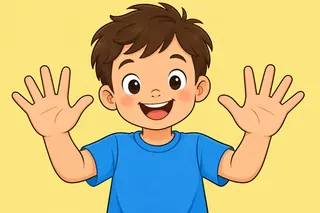
- My Two HandsW2
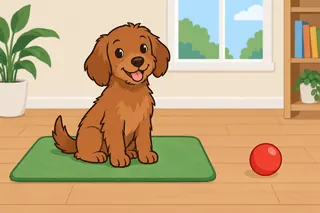
- Picture: My Happy DogW2
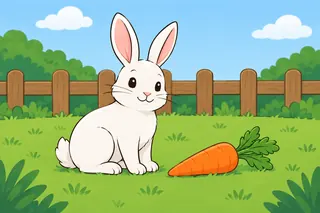
- Picture: A Rabbit in the GardenW2
- The Birthday TableW2

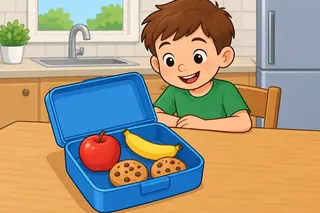
- My LunchboxW2
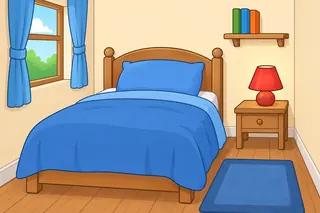
- My RoomW2
- My New PuppyW2

- Two Friends at the ParkW2

- Picture Sentences for Kids: At the ParkW2

- Plurals for Kids: At the Fruit ShopW2

- A or An for Kids: My Lunch BoxW2

- Writing Sentences for Grade 1: What Is in My Bag?W2
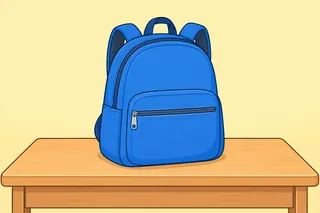
- Simple Sentences for Kids: My HouseW2

- Sentence Writing for Kids: My PetW2

W3 · A1 23 lessons
- My PetW3

- A Rainy DayW3

- My School BagW3

- At the ZooW3

- My Funny HatW3
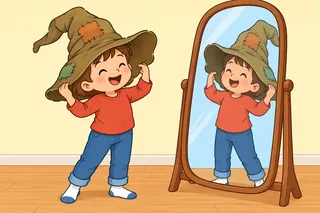
- My New ShoesW3

- The PlaygroundW3

- The SnowmanW3

- Big Truck, Small CarW3

- What I Can DoW3

- Picture: At the BeachW3

- Picture: At the ParkW3

- A Day at the LakeW3

- The Little RobotW3
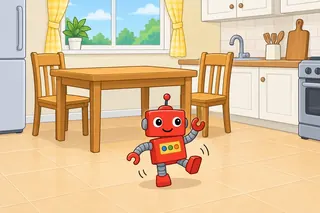
- My Friendly MonsterW3

- My Sports DayW3
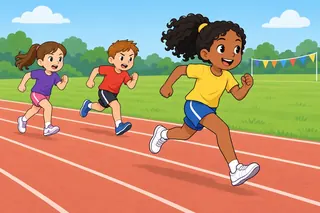
- The Cat and the TortoiseW3

- Comparing Words for Kids: Bigger and SmallerW3

- Describing Words for Kids: My Favourite AnimalW3

- Picture Writing for Kids: A Day at the FairW3

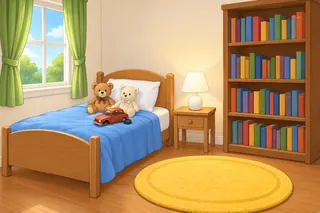
- Describing My Bedroom: Sentences for KidsW3
- Writing About the Weather for KidsW3
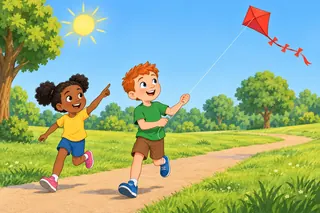
- Writing About What I Can Do at HomeW3

More ways to practise
Free write
Write your own paragraph → Pick any topic from your level, write it in your own words, and get it checked point by point — with a little XP for each new topic.Already written something?
Check your own text → Paste an email, a paragraph or a whole essay, then choose what to do with it — grammar & spelling check, one-sentence check, paraphrase, simplify, or a full essay mark. Each button uses the same daily allowance as that tool’s own page, and the result points you at the lesson that fixes what it found.Proofread a short text
Find the mistakes → A short text with three mistakes hidden in it. Hunt them all down, write the text out again, and get told exactly which one you still have not found — with several tries, because finding them is the whole exercise.Grade 1–2 writing: questions
Is this writing practice suitable for a 6-year-old?
Yes, if your child already knows the letters and can read a few simple words. The pictures carry most of the meaning, and the first step of every lesson gives the words to put in order.
Does my first or second grader need an account?
No. Lessons work straight away without signing in. A parent or teacher account saves progress, shows which stories are finished and lets a teacher set lessons for a class.
How much does it cost?
Nothing. Every lesson on this page is free, with no limit on retries and no timer.
Related writing tools
Check any single sentence you write, any time.
Paste a longer text and find grammar slips.
See other natural ways to say the same thing.
Practise shrinking a long text to its key idea.
Turn a difficult text into easier English.
Get rubric feedback on a whole essay (W11–W12).
Build the main claim your essay will defend.
Check length limits for exam writing tasks.