
Ages 10–12 · W5–W7
Writing Practice for Grade 5–6
Richer sentences and clearer stories for upper primary writers.
Not sure where to start? Try the fun writing check Find my level →
- 85 lessons
- W5–W7 levels
- Free + Pro
Closest available to your level.
- Step 1
- Step 2
- Step 3
- Step 4
- Step 5

That’s your whole story — now put it together in one paragraph.
Loading your lesson…
Playing as guest — sign in to earn XP and save your progress.
About these lessons
Upper primary writers already tell stories; now they learn to control them. The grade 5 lessons tidy up the past simple, because and so, and commas in lists, then add adverbs of manner and prepositions of place so that a reader can see exactly where and how things happened.
In grade 6 the focus moves to longer, smoother sentences. Pupils join two short sentences into one compound sentence and use who, which and that to add detail about a person or a thing without starting a new sentence. It is the grammar that makes writing sound grown-up without making it harder to read.
Each lesson is a short scene — a lost dog, a science fair, a storm on the way home — told in five steps that end with a sentence or two in the learner’s own words. Signed-in learners see which lessons they have finished and earn XP for each one they complete.
What you practise
- W5 · A1+because / so · past simple · commas in lists
- W6 · A2Adverbs · prepositions · compound sentences
- W7 · A2Joining sentences with who / which / that
Lessons include “A Football Match”, “The Birthday Party”, “My Trip” and 82 more.
All Grade 5–6 lessons
W5 · A1+ 27 lessons
- A Football MatchW5

- The Birthday PartyW5

- My TripW5

- The Big StormW5

- The Camping NightW5

- Cooking with GrandpaW5

- My First Bike RideW5

- The Lost ToothW5

- The Shopping ListW5

- Why I Was LateW5

- Picture story: The Kite in the TreeW5

- Picture story: The Picnic and the RainW5

- Dear Diary: My First Art ClubW5

- Packing for the School TripW5

- The Dog in the RainW5

- A Weekend with GrandmaW5

- My Favourite SeasonW5

- EIKEN Grade 3 Writing: Zoo or Aquarium? Two ReasonsW5

- NAPLAN Narrative Writing Year 3: The Tiny Green DoorW5

- NAPLAN Persuasive Writing Year 3: A Vegetable GardenW5

- US Citizenship Writing Test: Holidays and the FlagW5

- US Citizenship Writing Test: Voting and RightsW5

- Informal Letter for Kids: Writing to GrandpaW5

- Message Writing for Kids: A Note for MumW5

- Paragraph Writing for Kids: My Best Day of the YearW5

- Recount Writing for Kids: Our Sports DayW5

- Story Writing for Kids: The Lost PuppyW5

W6 · A2 23 lessons
- Morning RoutineW6

- The Bus or the Bike?W6

- Game NightW6

- Helping at HomeW6

- In the KitchenW6

- At the LibraryW6

- My Messy DeskW6

- The School WeekW6

- The Swimming LessonW6

- The Way to SchoolW6

- Planting a Seed, Step by StepW6

- Our ClassroomW6

- Our Trip to the FarmW6

- How to Make a Paper PlaneW6

- A Party InvitationW6

- A Usual SaturdayW6

- A2 Key Writing Part 6: Reply to a Friend's EmailW6

- A2 Key Writing Part 7: Picture StoryW6

- Invitation Text Message: Game Night With FriendsW6

- Smarter Balanced Writing Grade 4: A Longer RecessW6

- Describing a Person: My Best FriendW6

- Writing Instructions: How to Make a Fruit SaladW6

- Notice Writing for Kids: A Lost Water BottleW6

W7 · A2 35 lessons
- The People Next DoorW7

- Animals That Help UsW7
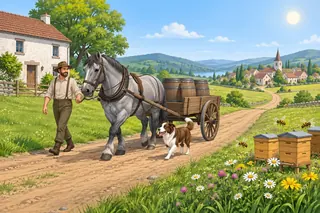
- Lost and Found BoxW7

- The Old HouseW7

- People at Our SchoolW7
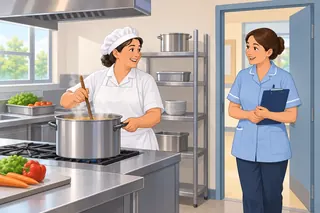
- A Person I AdmireW7
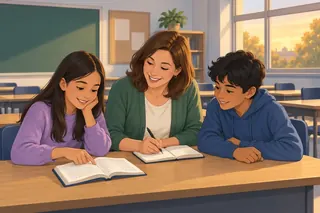
- The Photo AlbumW7

- The Robot HelperW7

- The Strange ShopW7
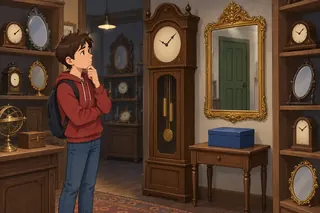
- The Tree House ClubW7

- A Kind NeighbourW7

- Our School LibrarianW7

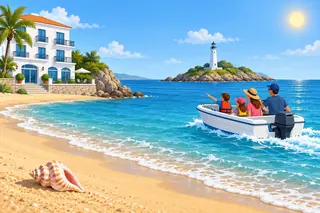
- A Postcard from the SeaW7
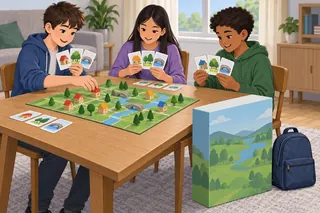
- Reviewing a Board GameW7
- A Guide for VisitorsW7

- Duolingo Write About the Photo: A Family KitchenW7

- Duolingo Write About the Photo: A Street MarketW7

- Duolingo Write About the Photo: A Busy ParkW7

- Duolingo Write About the Photo: A Train PlatformW7

- Duolingo Write About the Photo: A Riverside PicnicW7

- EIKEN Pre-2 Writing: Email Reply With Two QuestionsW7

- Florida B.E.S.T. Writing: How Lighthouses Help ShipsW7

- A2 Key Writing Part 6: Email About a New ClubW7
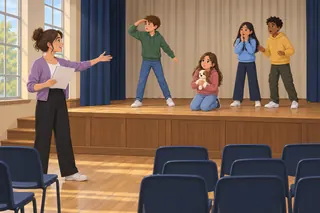
- A2 Key Writing Part 7: The Missing BagW7

- Message Changing Plans: Can We Meet Later?W7

- Thank-You Note to a Neighbour: Thanks for Your HelpW7

- NAPLAN Narrative Writing Year 5: The Last BusW7

- NAPLAN Persuasive Writing Year 5: Choosing BedtimeW7

- TOEFL Junior Writing: Email Recommending a BookW7

- TOEIC Writing: Write a Sentence From a Picture (Office)W7

- TOEIC Writing Picture Sentences: At a RestaurantW7

- TOEIC Writing Picture Sentences: Travel and TransportW7

- Informative Writing for Kids: An Animal Fact FileW7

- Book Review for Kids: A Story I EnjoyedW7

- Diary Entry: A Day at the Science MuseumW7

More ways to practise
Free write
Write your own paragraph → Pick any topic from your level, write it in your own words, and get it checked point by point — with a little XP for each new topic.Already written something?
Check your own text → Paste an email, a paragraph or a whole essay, then choose what to do with it — grammar & spelling check, one-sentence check, paraphrase, simplify, or a full essay mark. Each button uses the same daily allowance as that tool’s own page, and the result points you at the lesson that fixes what it found.Proofread a short text
Find the mistakes → A short text with three mistakes hidden in it. Hunt them all down, write the text out again, and get told exactly which one you still have not found — with several tries, because finding them is the whole exercise.Grade 5–6 writing: questions
Is grade 5–6 writing practice too easy for a strong 11-year-old?
Start with a lesson from the higher level on this page. If it feels easy, move on to the grade 7–8 page; the levels continue all the way to advanced essays.
Which lessons are free for grades 5 and 6?
The grade 5 lessons are free. At the highest level on this page the first three concepts are free, and Pro unlocks the rest together with unlimited AI checking.
How can I see my child’s progress?
Sign in with the child’s account: each finished lesson is ticked on this page, and the Daily practice panel shows what to do next.
Related writing tools
Check any single sentence you write, any time.
Paste a longer text and find grammar slips.
See other natural ways to say the same thing.
Practise shrinking a long text to its key idea.
Turn a difficult text into easier English.
Get rubric feedback on a whole essay (W11–W12).
Build the main claim your essay will defend.
Check length limits for exam writing tasks.