
Ages 12–14 · W7–W9
Writing Practice for Grade 7–8
From good sentences to well-built paragraphs in middle school.
Not sure where to start? Take the 15-minute writing level test Find my level →
- 74 lessons
- W7–W9 levels
- Free to try
Closest available to your level.
- Step 1
- Step 2
- Step 3
- Step 4
- Step 5

That’s your whole story — now put it together in one paragraph.
Loading your lesson…
Playing as guest — sign in to earn XP and save your progress.
Ads paying for your free English lessons. Prefer a quiet page? Go ad-free
About Grade 7–8 writing practice
Middle school is where sentences turn into paragraphs. The grade 7 lessons practise relative clauses with who, which and that, then show how a paragraph opens with a clear topic sentence and moves through its events with first, then, after that and finally.
In grade 8 the writing starts to explain rather than only narrate. Learners describe how something is made using the passive voice, imagine results with first and second conditionals, and balance two sides of an idea with however and although — the same moves they need for school reports and short opinion pieces.
Lessons take about ten minutes and can be split across two short sessions. After a lesson, the Free write option offers a related topic so students can write a whole paragraph of their own and get feedback point by point. Teachers can set any lesson here as class homework.
What you practise
- W7 · A2Joining sentences with who / which / that
- W8 · A2+Time connectors · 3–5 sentence paragraphs · topic sentences
- W9 · B1Passive voice · conditionals 1–2 · however / although
Lessons include “The People Next Door”, “Animals That Help Us”, “Lost and Found Box” and 71 more.
All Grade 7–8 lessons
W7 · A2 25 lessons
- The People Next DoorW7

- Animals That Help UsW7

- Lost and Found BoxW7

- The Old HouseW7

- People at Our SchoolW7
- A Person I AdmireW7
- The Photo AlbumW7

- The Robot HelperW7

- The Strange ShopW7
- The Tree House ClubW7

- A Kind NeighbourW7

- Our School LibrarianW7

- A Postcard from the SeaW7

- Reviewing a Board GameW7
- A Guide for VisitorsW7

- EIKEN Pre-2 Writing: Email Reply With Two QuestionsW7

- Florida B.E.S.T. Writing: How Lighthouses Help ShipsW7

- A2 Key Writing Part 6: Email About a New ClubW7
- A2 Key Writing Part 7: The Missing BagW7

- NAPLAN Narrative Writing Year 5: The Last BusW7

- NAPLAN Persuasive Writing Year 5: Choosing BedtimeW7

- TOEFL Junior Writing: Email Recommending a BookW7

- Informative Writing for Kids: An Animal Fact FileW7

- Book Review for Kids: A Story I EnjoyedW7

- Diary Entry: A Day at the Science MuseumW7

W8 · A2+ 23 lessons
- How I Make BreakfastW8
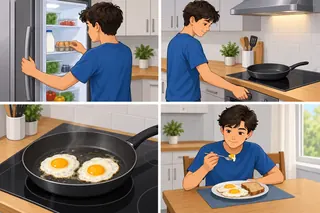
- A Busy SaturdayW8

- My Favourite SeasonW8

- How We Play Hide and SeekW8
- Moving DayW8

- How to Plant a SeedW8

- Getting Ready for the TestW8

- The School FairW8

- The Science ProjectW8

- Why I Love DrawingW8

- Club Choices in One ClassW8
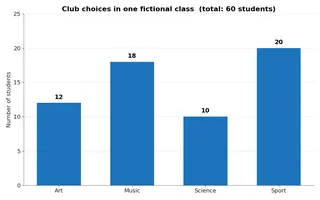
- My Quiet CornerW8

- An Email About the ConcertW8

- The Night the Lights Went OutW8

- Should School Start Later?W8

- Making a Paper BoatW8
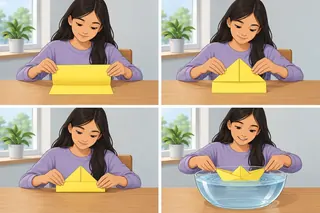
- Smarter Balanced Writing Grade 6: How Bees Make HoneyW8

- TOEFL Junior Writing: Opinion on Studying with MusicW8

- Article Writing for Students: Our School GardenW8
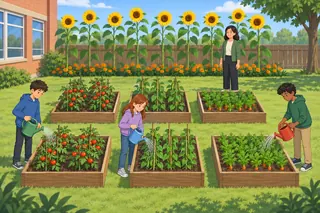
- Compare and Contrast Paragraph: Cats or Dogs?W8

- Formal Letter Writing: A Letter to the PrincipalW8
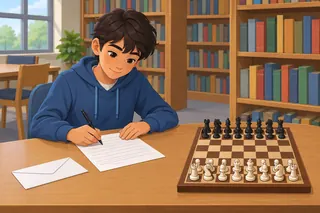
- Personal Narrative: The Day I Felt BraveW8

- Summary Writing for Students: A Short FableW8

W9 · B1 26 lessons
- The Broken WindowW9

- City or CountrysideW9

- How Chocolate Is MadeW9

- If Animals Could TalkW9

- If It Rains TomorrowW9

- If You Visit Our TownW9

- The Missing PaintingW9
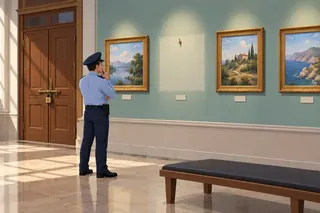
- New Rules at SchoolW9
- The Recycling ProjectW9
- Screen Time: Good or Bad?W9

- Advice for a Nervous FriendW9

- If I Could Change My TownW9
- A Cleaner PlaygroundW9

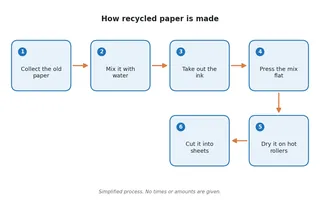
- From Old Paper to NewW9
- Busy Streets or Quiet Lanes?W9

- EIKEN Grade 2 Writing: Should Stores Close at Night?W9

- EIKEN Grade 2 Writing: Summary, Libraries of ThingsW9

- Florida B.E.S.T. Writing: Tablets or Paper Textbooks?W9

- NAPLAN Narrative Writing Year 7: The Message in a BottleW9

- NAPLAN Persuasive Writing Year 7: Car-Free Play StreetsW9

- B1 Preliminary Writing Part 2: How to Write an ArticleW9

- B1 Preliminary Writing Part 1: Email Practice, Exchange DayW9

- B1 Preliminary Writing Part 1: Reply to an EmailW9

- Cause and Effect Paragraph: Why Some Streets FloodW9

- Formal Email for Students: Asking About a Summer CourseW9

- Opinion Essay for Students: Are School Trips Worth It?W9
More ways to practise
Free write
Write your own paragraph → Pick any topic from your level, write it in your own words, and get it checked point by point — with a little XP for each new topic.Already written something?
Check your own text → Paste an email, a paragraph or a whole essay, then choose what to do with it — grammar & spelling check, one-sentence check, paraphrase, simplify, or a full essay mark. Each button uses the same daily allowance as that tool’s own page, and the result points you at the lesson that fixes what it found.Proofread a short text
Find the mistakes → A short text with three mistakes hidden in it. Hunt them all down, write the text out again, and get told exactly which one you still have not found — with several tries, because finding them is the whole exercise.Grade 7–8 writing: questions
What should a grade 7 or grade 8 student practise in writing?
Topic sentences, paragraph order, relative clauses, the passive voice, conditionals and contrast words such as however and although. Each is practised inside a short piece of writing, not as a grammar list.
Can middle school teachers assign these lessons?
Yes. A teacher with a 7ESL class can assign a lesson or a free-write topic and see each student’s result and text when it is done.
Are these lessons free?
The first three concepts of each level are free. Pro unlocks every concept, unlimited AI checking and paragraph marking.
Related writing tools
Check any single sentence you write, any time.
Paste a longer text and find grammar slips.
See other natural ways to say the same thing.
Practise shrinking a long text to its key idea.
Turn a difficult text into easier English.
Get rubric feedback on a whole essay (W11–W12).
Build the main claim your essay will defend.
Check length limits for exam writing tasks.